Project 01
Rockaway Community Microgrid
Master's Thesis & Applied Research · NYU Tandon School of Engineering
The Challenge
The Rockaway peninsula sits on the front line of coastal storm risk. Hurricane-driven flooding and prolonged grid outages have repeatedly cut power to homes, small businesses, and critical facilities in a community with limited local generation and a single point of dependence on the wider transmission network. Restoring service after each event is slow and costly, and residents carry the consequences. The question was whether a community-scale microgrid could deliver credible, financeable resilience — and whether it could survive the scrutiny of a competitive state funding process.
Approach & Solution
- Framed the study around community-scale microgrids and distributed energy resources as a locally controllable electricity supply during hurricanes, flooding, and other natural hazards.
- Investigated NYSERDA microgrid program requirements in detail and mapped the technical, financial, environmental, and implementation criteria the project would be judged against.
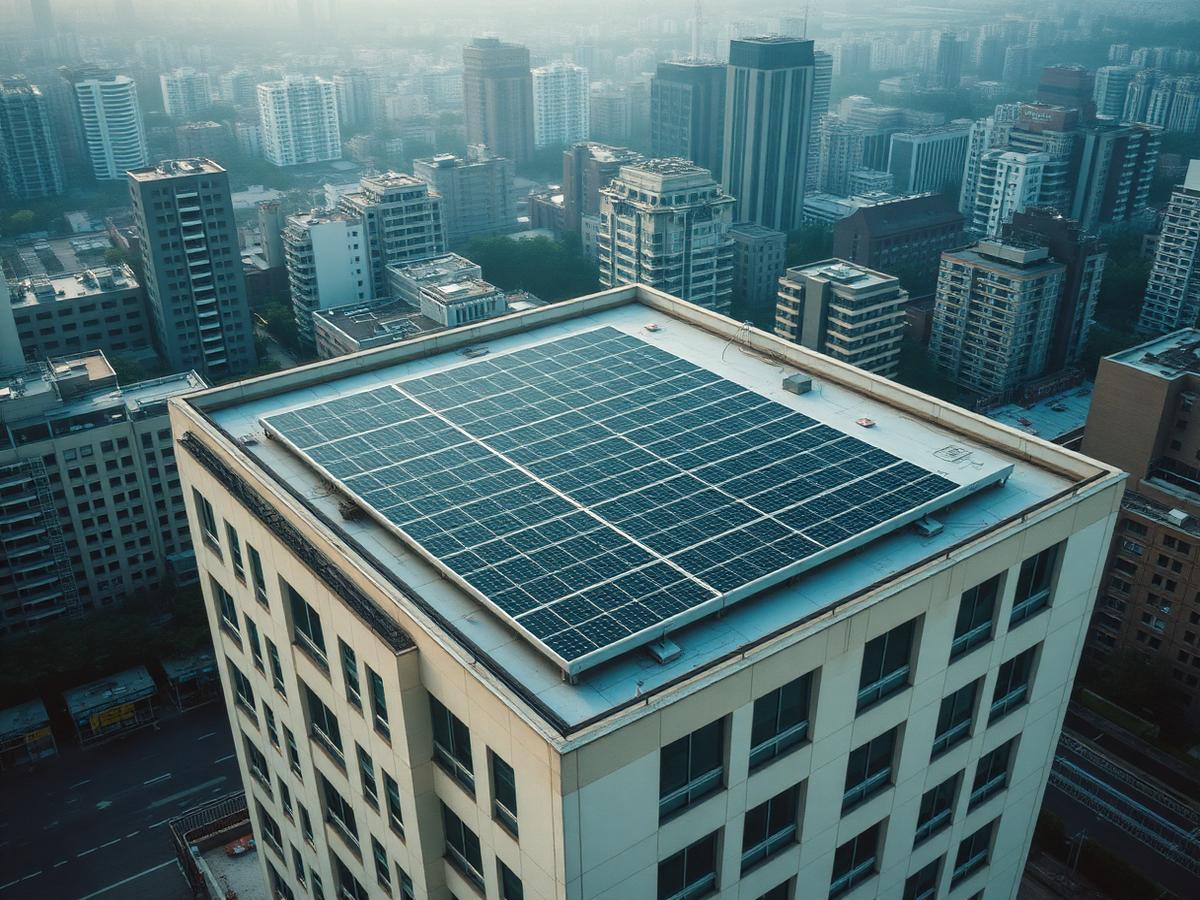
- Evaluated the full renewable portfolio — solar photovoltaics, wind, geothermal, and other distributed generation — against local siting, load, and flood-exposure constraints.
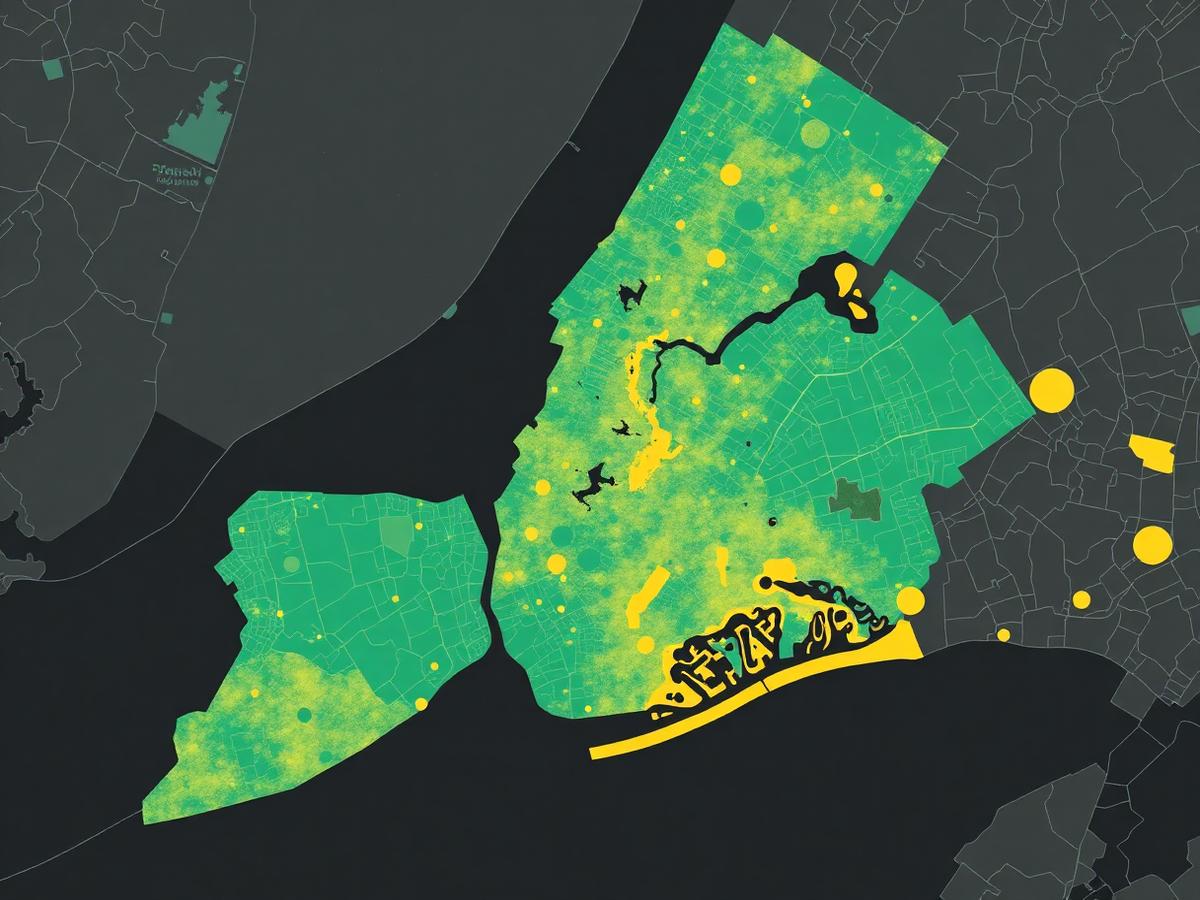
- Built the feasibility case: load and generation assessment, infrastructure and environmental considerations, and economic analysis of build and operating scenarios.
- Rebuilt and stress-tested project cost estimates, then recommended adjustments that materially improved the proposal's standing against selection criteria.
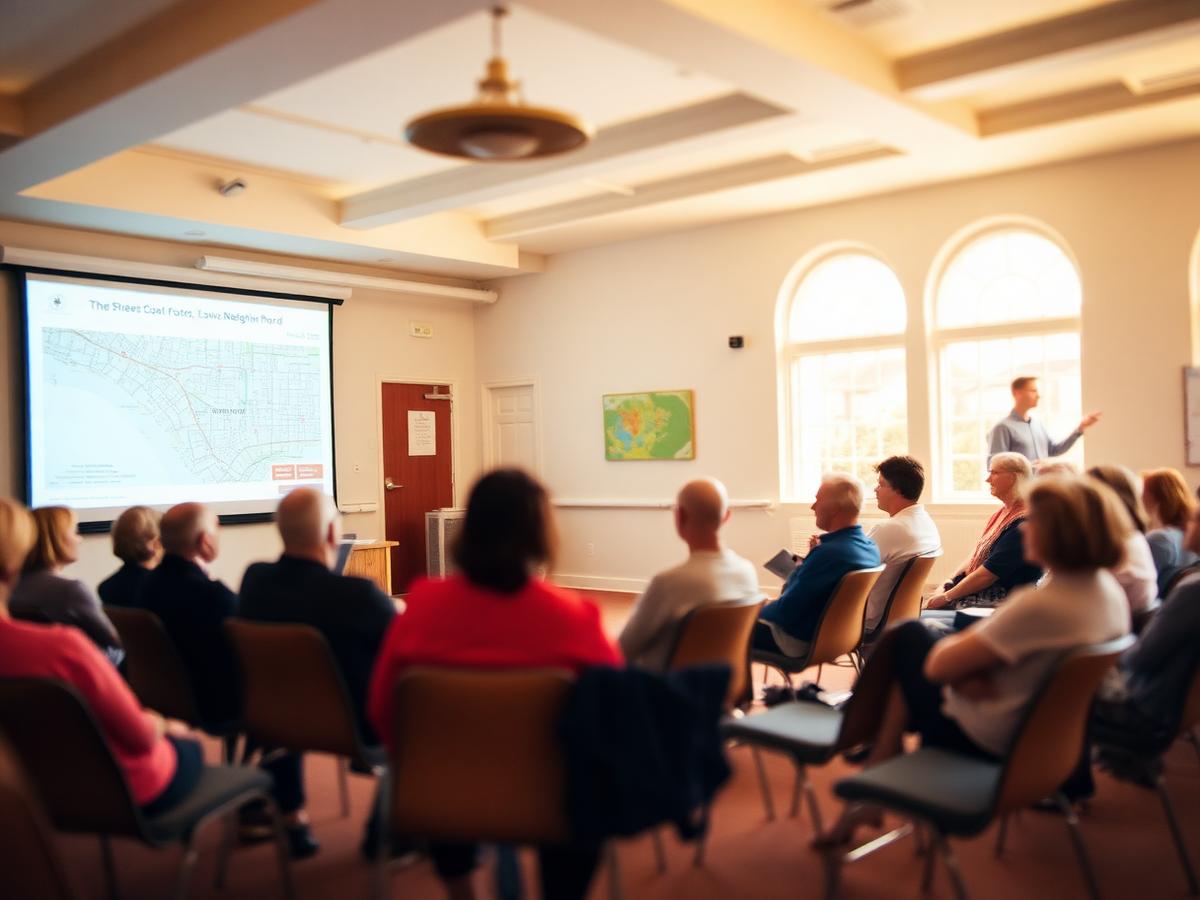
- Conducted community surveys and stakeholder research across the Rockaways to capture resilience priorities, critical loads, and local energy needs directly from residents.
- Collaborated with a multidisciplinary team spanning infrastructure engineering, environmental systems, economics, and community planning.
Results
- Delivered a complete feasibility assessment, technical documentation, and funding materials supporting the microgrid proposal.
- Produced revised cost estimates and competitiveness recommendations that strengthened alignment with NYSERDA project-selection criteria.
- Translated resident survey findings into prioritized critical-load and resilience requirements that shaped the technical design.
- Established a repeatable evaluation framework applicable to other flood-exposed coastal communities.
Conclusion
This project defines my professional approach: technical feasibility, financial realism, and community legitimacy developed in parallel rather than in sequence. It demonstrates end-to-end capability — from renewable resource assessment and cost modeling to funding strategy and stakeholder research — on an infrastructure problem with direct consequences for public safety.